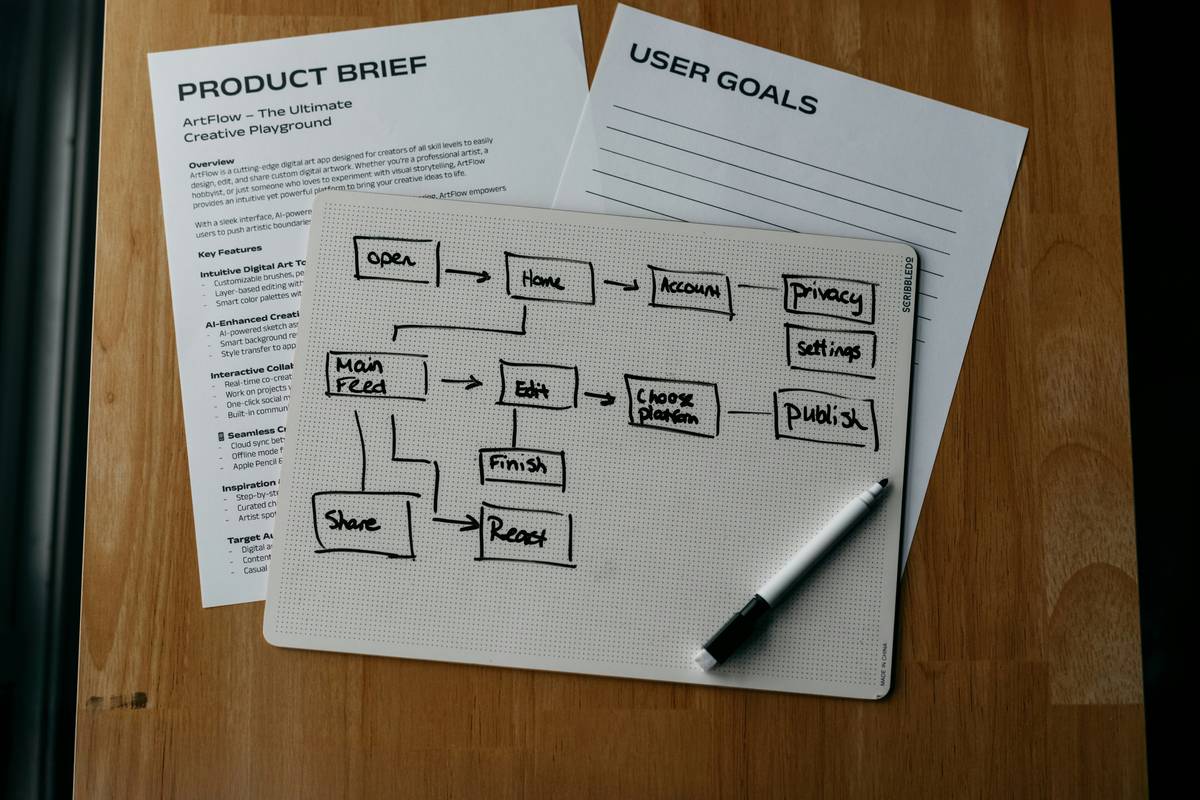
Most businesses deploy marketing automation like it’s a magic wand—sprinkle some workflows, send a few emails, and expect customers to pour in. Reality? They’re drowning in low open rates, ghosted leads, and wasted SaaS spend. The problem isn’t the tool—it’s the flawed assumption that “set it and forget it” works. Real growth comes from strategic, behavior-triggered sequences grounded in actual buyer psychology—not recycled templates from 2018.
Why Generic Marketing Automation Workflows Fail
Too many teams copy-paste “proven” flows from blog posts without considering their audience’s real intent. A welcome series for a B2B SaaS buyer isn’t the same as one for an e-commerce impulse shopper. And yet—here we are—watching companies blast identical drip campaigns to wildly different segments.
Worse? They measure success by vanity metrics: “We sent 10,000 emails!” Great. How many closed deals resulted?

Building High-ROI marketing automation workflow examples: A Practitioner’s Blueprint
Forget theory. Let’s build workflows that convert. The key is mapping triggers to micro-moments in the customer journey—those split-second decisions where someone leans in… or bounces forever.
Lead Capture → Instant Value Exchange
If someone gives you their email, they’re signaling interest. Don’t respond with a “Thanks!” email followed by silence. Send a hyper-relevant asset within 90 seconds—like a custom ROI calculator or a 3-step diagnostic checklist tied directly to their landing page topic.
Engagement Drop-off → Re-engagement Sequence
Track email opens and link clicks. If a lead stops engaging after two messages, don’t keep pushing sales. Instead, trigger a “Did we lose you?” sequence with a single-question survey: “What’s your biggest blocker right now?” Use their answer to re-route them—or gracefully archive them.
Purchase → Post-Buy Nurturing
Sales teams celebrate the close. Smart marketers know the real work starts after payment. Automate onboarding checklists, usage tips based on feature adoption, and early upsell paths—but only after proving initial value.
| Workflow Type | Trigger | Average Conversion Lift | Tool Complexity |
|---|---|---|---|
| Welcome Series (Behavioral) | Email signup + page viewed | 22% | Medium |
| Cart Abandonment (Dynamic) | 14% | High | |
| Post-Purchase Education | Order confirmation | 31% | Low |
| Inactive Lead Reactivation | No engagement in 14 days | 9% | Medium |
The Industry Secret: Automate Judgment, Not Just Actions
Here’s what vendors won’t tell you: the most powerful automation doesn’t just send emails—it makes decisions. Most tools stop at “If opened email, send next.” Elite operators layer in scoring logic: “If opened + clicked support link + visited pricing twice → assign to sales rep with ‘hot lead’ tag.”
And this isn’t reserved for enterprise budgets. Platforms like ActiveCampaign or HubSpot allow conditional branching based on combined behavioral data. The math is simple: the more context your workflow consumes, the closer it mimics human judgment—and that’s where real efficiency lives.
But—don’t over-engineer. Start with one high-impact decision point. Test. Iterate. Scale.
FAQ
What’s the simplest marketing automation workflow example for beginners?
A post-signup welcome sequence that delivers immediate value (e.g., a cheat sheet) within 5 minutes—no delays, no fluff.
How often should I update my automation workflows?
Quarterly reviews minimum. But monitor performance weekly—kill underperforming branches fast.
Can small businesses benefit from advanced marketing automation workflow examples?
Absolutely. Even solopreneurs using MailerLite can build conditional paths based on link clicks or form responses—no dev team needed.