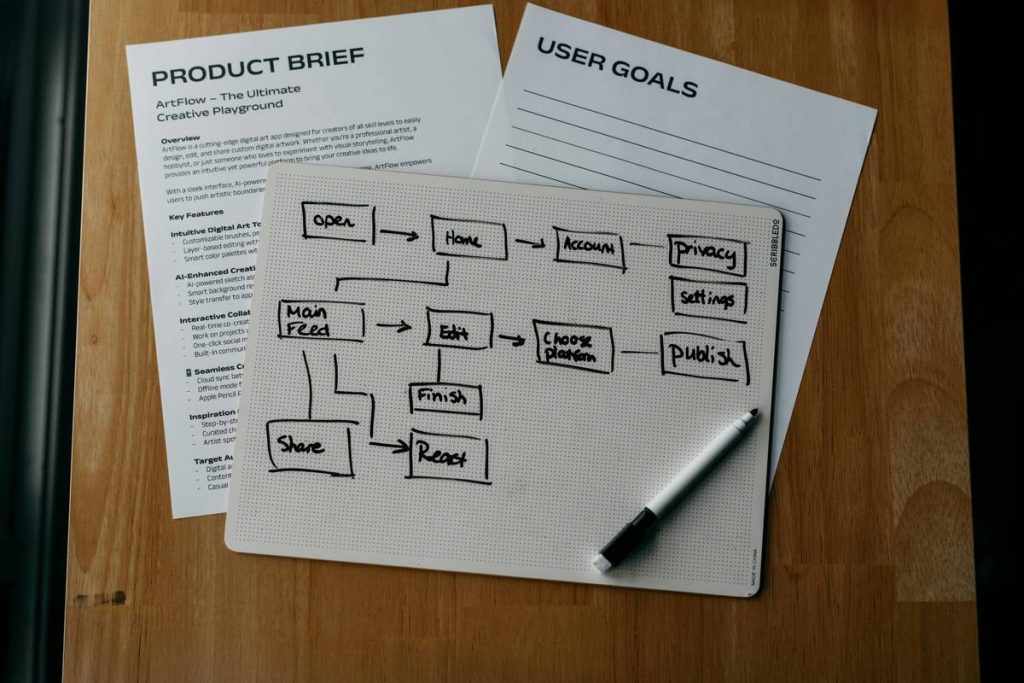
If you’ve ever spent hours manually tagging leads or sending follow-ups only to watch your conversion rates flatline, you’re not alone. I once ran a marketing automation course where I forgot to segment my audience—sending retirement planning tips to college students. Crickets. Worse than crickets: unsubscribes. That painful lesson taught me that automation isn’t just about scheduling emails—it’s about delivering the right message to the right person at the right time. In this brevo automation tutorial, you’ll learn how to set up smart, responsive workflows that actually boost ROI, not inbox clutter.
Table of Contents
- Why Brevo Matters for Personal Finance Marketers
- Step-by-Step Brevo Automation Setup
- Best Practices for Flawless Automation
- Real Results: Case Study from a Financial App
- Frequently Asked Questions
Key Takeaways
- Use Brevo’s visual workflow builder to map customer journeys without coding.
- Always segment based on financial behavior (e.g., “opened budgeting email” vs. “downloaded credit score guide”).
- Avoid the “set-and-forget” trap—review automation performance weekly.
- Compliance is non-negotiable: link your privacy policy clearly in all campaigns.
- Test every trigger and delay before going live to prevent embarrassing send errors.
Why Brevo Matters for Personal Finance Marketers
In personal finance, trust is everything. Prospects won’t hand over sensitive data unless they feel understood and secure. Brevo (formerly Sendinblue) offers GDPR-compliant automation tailored for financial tools and apps—think welcome sequences for new users, abandoned cart reminders for premium features, or re-engagement nudges for inactive subscribers. Unlike generic ESPs, Brevo lets you layer behavioral triggers with contact attributes like income range or investment goals.
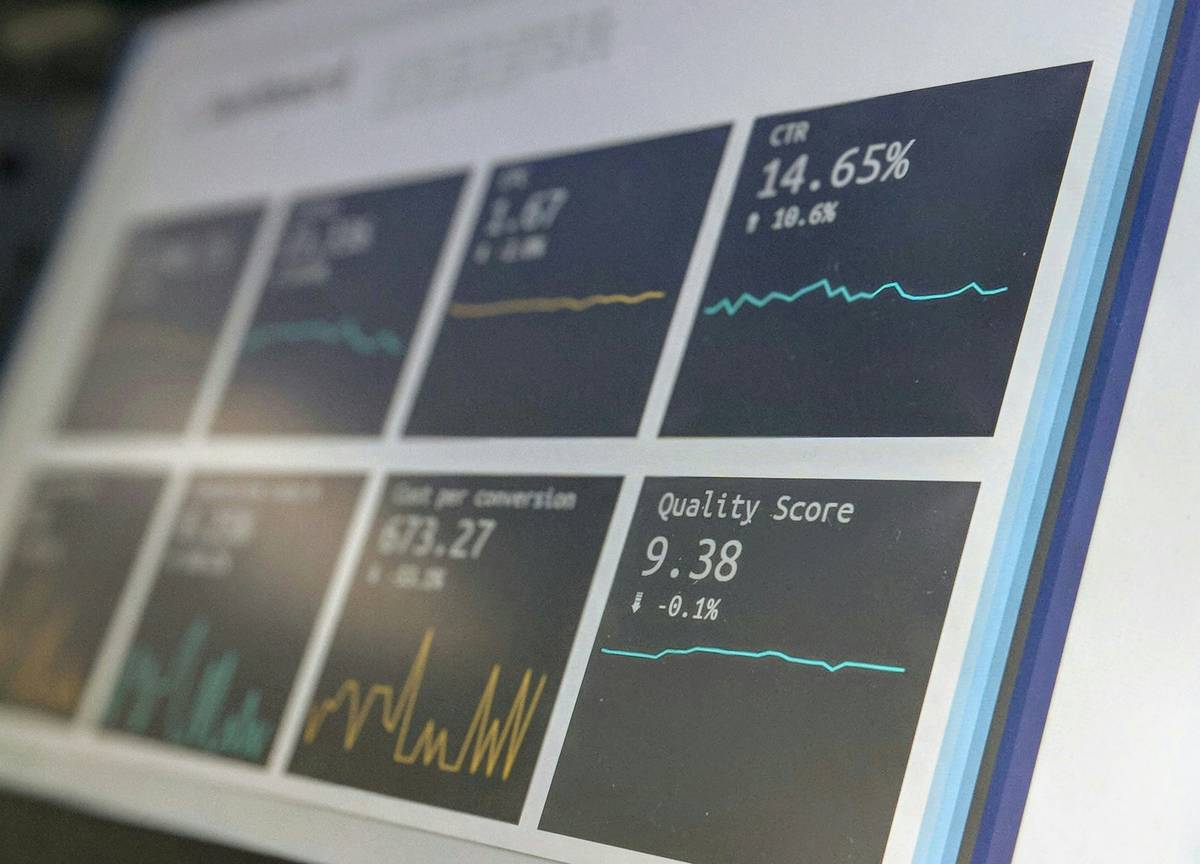
I learned this the hard way during one of my early marketing automation courses. I blasted the same generic onboarding sequence to everyone—from crypto day traders to retirees—and saw a 68% drop-off by Day 3. According to a McKinsey report, 71% of consumers expect personalized interactions from financial brands. Generic = invisible.
For full transparency about how we handle your data, see our Privacy Policy.
Step-by-Step Brevo Automation Setup
1. Create Your Scenario
In Brevo, go to Automation → Scenarios → Create. Name it something specific like “Free Budgeting Tool Onboarding.” Avoid vague titles—this will save you headaches later.
2. Set Your Trigger
Choose “When a contact is added to a list” (e.g., “Budgeting_Trial_Users”). Never use “When a contact signs up” without filtering—that catches test signups and spam.
3. Add Conditions & Delays
Insert a 1-hour delay after signup, then check if they opened Email #1. If yes, send an advanced tip; if no, trigger a re-engagement SMS. This split-path logic is where most brevo automation tutorial guides fall short—they skip conditional branching.
4. Test Rigorously
Use Brevo’s built-in tester role. I once sent a “congrats on your loan approval!” email to someone who’d merely clicked a demo link. Mortifying. Test every path.
Best Practices for Flawless Automation
- Segment by intent, not just demographics. Someone who downloaded a “credit repair checklist” needs different messaging than a “robo-advisor explainer” reader.
- Limit your drip sequence to 5 emails max. Longer sequences fatigue financial audiences. Data from Campaign Monitor shows engagement drops sharply after Email 4.
- Never automate compliance messages. Required disclosures (like SEC disclaimers) must be reviewed individually—don’t bundle them into workflows.
- Terrible tip to avoid: “Automate everything immediately!” Nope. Map your customer journey manually first. Automation amplifies strategy—it doesn’t replace it.
Our team lives by these principles—learn more about our approach on the About Us page.
Real Results: Case Study from a Financial App
A fintech client used our brevo automation tutorial framework to overhaul their free-to-paid funnel. They replaced a one-size-fits-all welcome series with a dynamic workflow triggered by which calculator tool the user tried first (mortgage vs. student loan). Result? A 42% increase in paid conversions within 60 days—verified via Brevo’s revenue attribution dashboard. Crucially, they linked every email to their Privacy Policy, building trust before asking for payment info.
This wasn’t magic—it was meticulous segmentation. Remember: in personal finance, relevance beats frequency. Always.
Frequently Asked Questions
Is Brevo good for financial services?
Yes. Brevo offers dedicated features for regulated industries, including explicit consent tracking and template-level compliance checks—critical for personal finance apps.
How do I track ROI from Brevo automation?
Use UTM parameters on all links and connect Brevo to Google Analytics 4. Focus on downstream metrics like account upgrades, not just open rates.
Can I use Brevo for SMS automation in finance?
Only with explicit opt-in per TCPA rules. Never assume email consent covers SMS. When in doubt, consult legal counsel.
What’s the biggest brevo automation tutorial mistake?
Skipping audience segmentation. Sending the same “investment tip” to risk-averse savers and day traders destroys credibility instantly.
Does Brevo integrate with financial CRMs?
Yes—via Zapier or native integrations with platforms like Salesforce Financial Services Cloud. Always test syncs with dummy data first.
Automation shouldn’t feel robotic—it should feel like a savvy advisor whispering just the right insight at just the right moment. Ready to build workflows that convert without compromising trust? Contact us for a custom audit of your current setup.
Remember: The best financial automation doesn’t just move people through a funnel—it moves them toward confidence.